
Architectural Ranma Panel Depicting the Genpei War
2.500 €
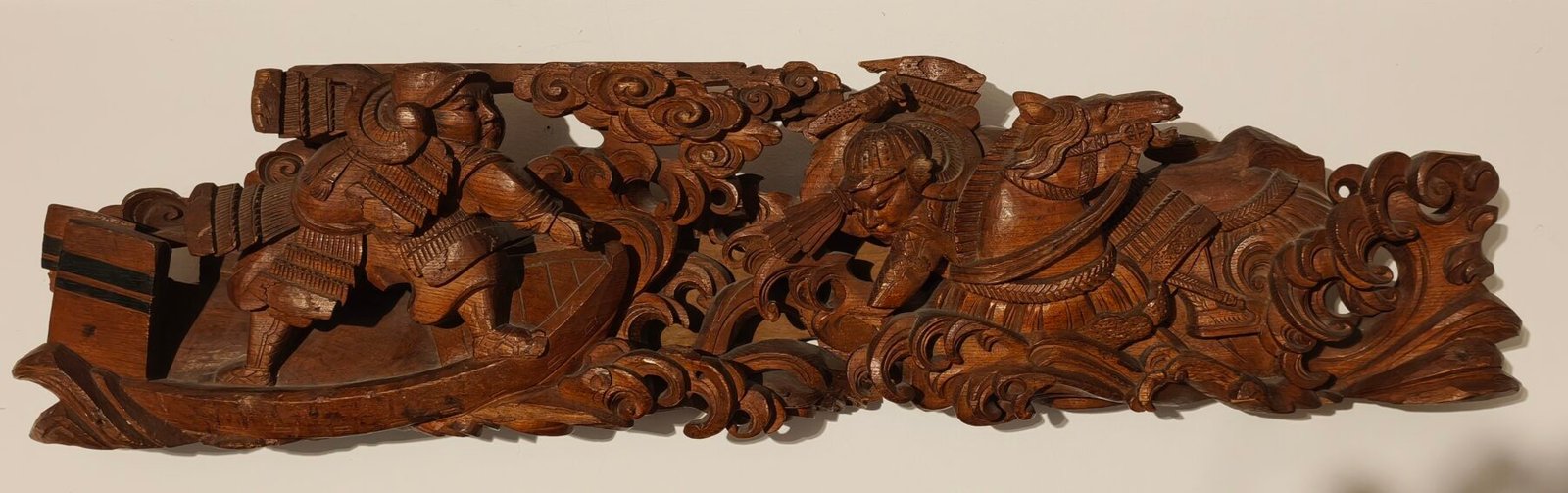
This superb 77 x 20 cm panel constitutes an architectural ranma (欄間) of extraordinary significance within traditional Japanese decorative arts and interior architecture, originally conceived as an upper transom panel to facilitate ventilation and natural light flow between rooms in a lordly residence or shrine during the late Edo period (circa 1850–1870). Masterfully carved from a dense block of noble keyaki wood (Japanese zelkova, Zelkova serrata), highly prized by master cabinetmakers for its organic grain patterns, structural hardness, and durability, the piece displays a virtuoso deep openwork technique (sukibori) combined with high relief of impressive spatial dynamism, allowing the composition to be fully appreciated from both sides. The depicted scene evokes one of the most celebrated epic episodes from the Heike Monogatari chronicles during the Genpei War (1180–1185), showing an intrepid samurai clad in rigorous traditional yoroi armor aboard a warship on the left, and a commander riding into battle atop his steed amidst stylized cresting waves on the right, in a clear allegorical allusion to valor, loyalty, and the spirit of bushido. The carving preserves remnants of period polychromy and mineral pigments over a natural dark patina of rich historical character, reflecting the expressive style and technical mastery characteristic of workshops run by master carvers (ranma-shi) trained in the classical sculptural traditions of Kyoto and Edo. The reverse side features a handwritten ink inscription (sumigaki), a workshop and architectural assembly mark confirming its authenticity and handcrafted origin, establishing this piece as an object of exceptional aesthetic, documentary, and heritage value for international Asian art collectors.
TechniqueTalla en madera de Keyaki/Hinoki con calado (sukibori) y policromía parcial de época.
Dimensions77x20cm
YearCirca 1850-1870
ArtistRANMA-SHI, Escuela de
RANMA-SHI, Escuela de
The Ranma-shi school of carvers (欄間師) constitutes a historical guild of master carpenters and sculptors highly specialized within traditional Japanese architecture, whose activity reached its era of greatest formal refinement and technical virtuosity during the Edo period (1603–1868). Emerging from the realm of temple and shrine carpentry (miyadaiju), this guild tradition was dedicated to creating ranma, upper transom friezes and dividing panels designed to facilitate ventilation and natural light flow between the rooms of feudal castles, lordly residences (shoin-zukuri), and religious complexes. Ranma-shi artisans were renowned for their absolute mastery of deep openwork woodcarving (sukibori) and multi-layered relief carving, utilizing noble woods such as Japanese cypress (hinoki) and Japanese zelkova (keyaki) to create compositions characterized by striking three-dimensionality and fluid dynamism visible from both sides of the panel. Their production was imbued with the classical iconography of Japanese folklore, depicting epic samurai warrior scenes based on the Heike Monogatari, allegories of nature, and auspicious motifs, consolidating an expressive plastic language that reflected the values of bushido and the aesthetics of the period. Today, works executed by the masters of this guild are preserved in iconic monuments of Japanese architectural heritage such as Nijo Castle in Kyoto and the Nikko Shrines, as well as in the Asian art collections of international institutions including the Tokyo National Museum, the Museum of Fine Arts in Boston, and the Metropolitan Museum of Art in New York, standing as an exceptional testament to the sculptural legacy of feudal Japan.
Recommended works
Other selected pieces from the Art Andorra catalogue.
VESTIER, AntoineAntiques
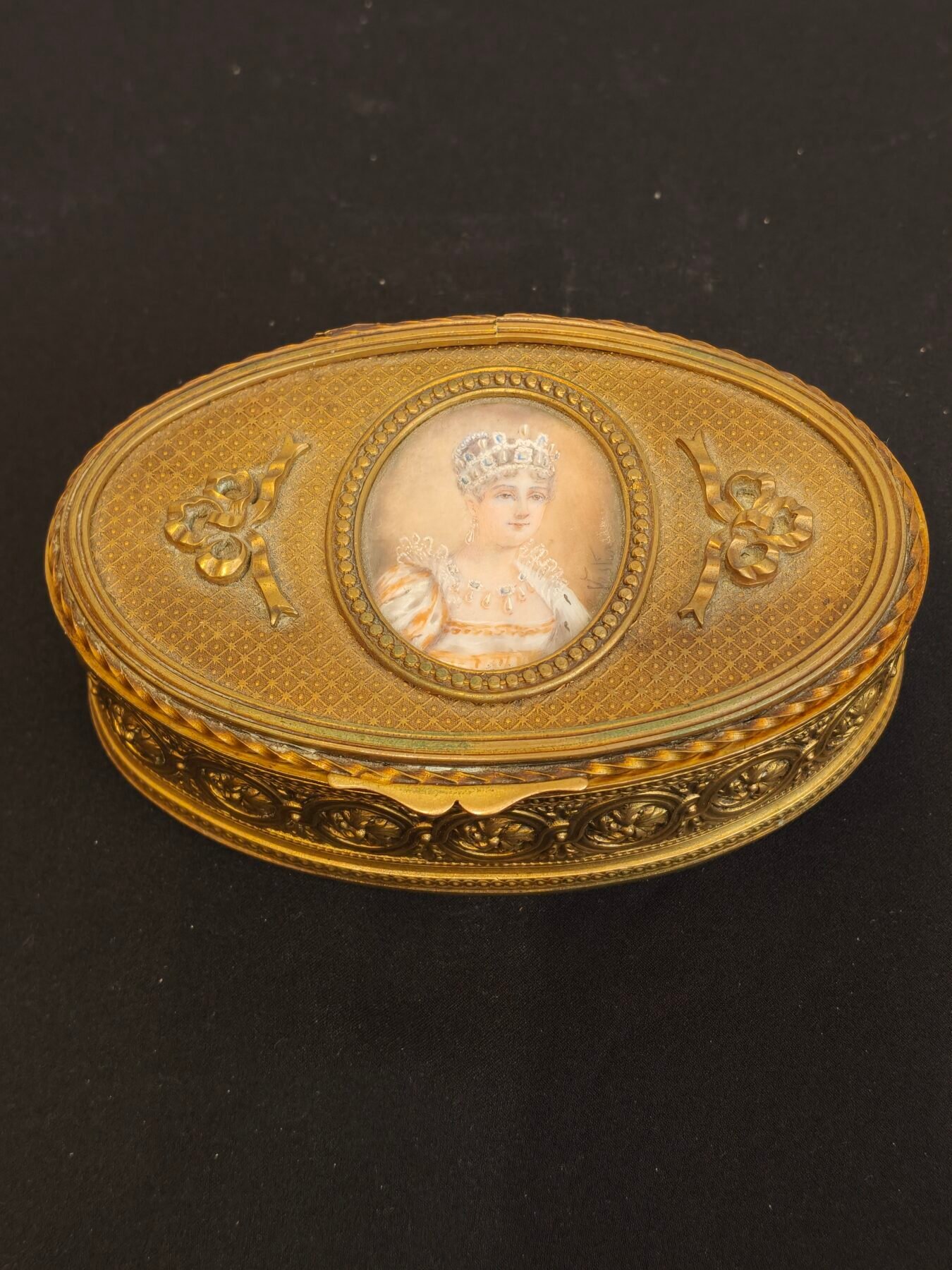
Second Empire Jewelry Box with Miniature of Empress Joséphine
500 €Open profile
VLADÍMIR, Escuela deReligious art
Russian Lacquered Wooden Easter Egg "Our Lady of Kazan" Signed
250 €Open profile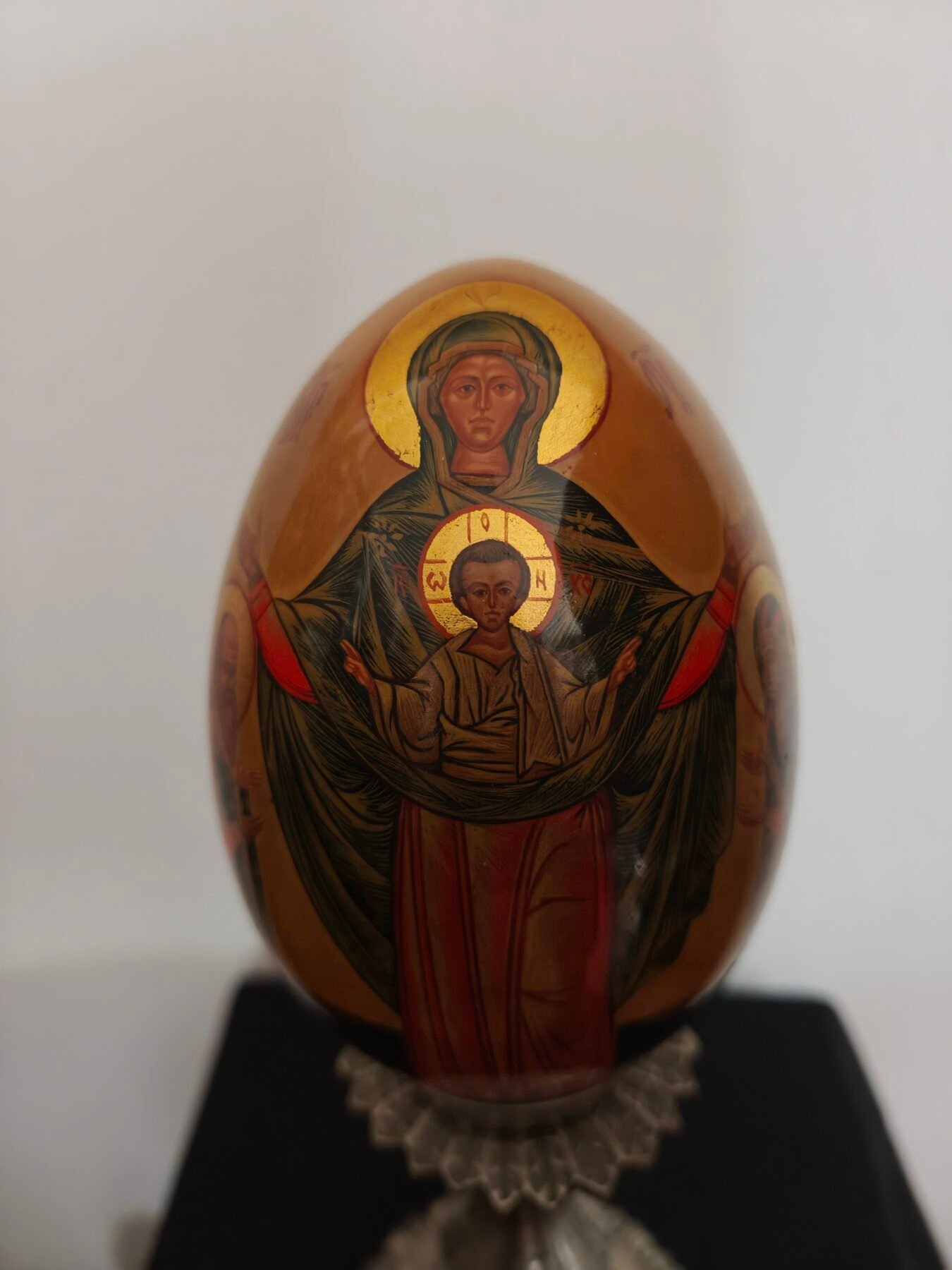
ABRÁMTSEVO, Escuela deReligious art
Russian Lacquered Wooden Easter Egg "Our Lady of the Sign" Signed
350 €Open profile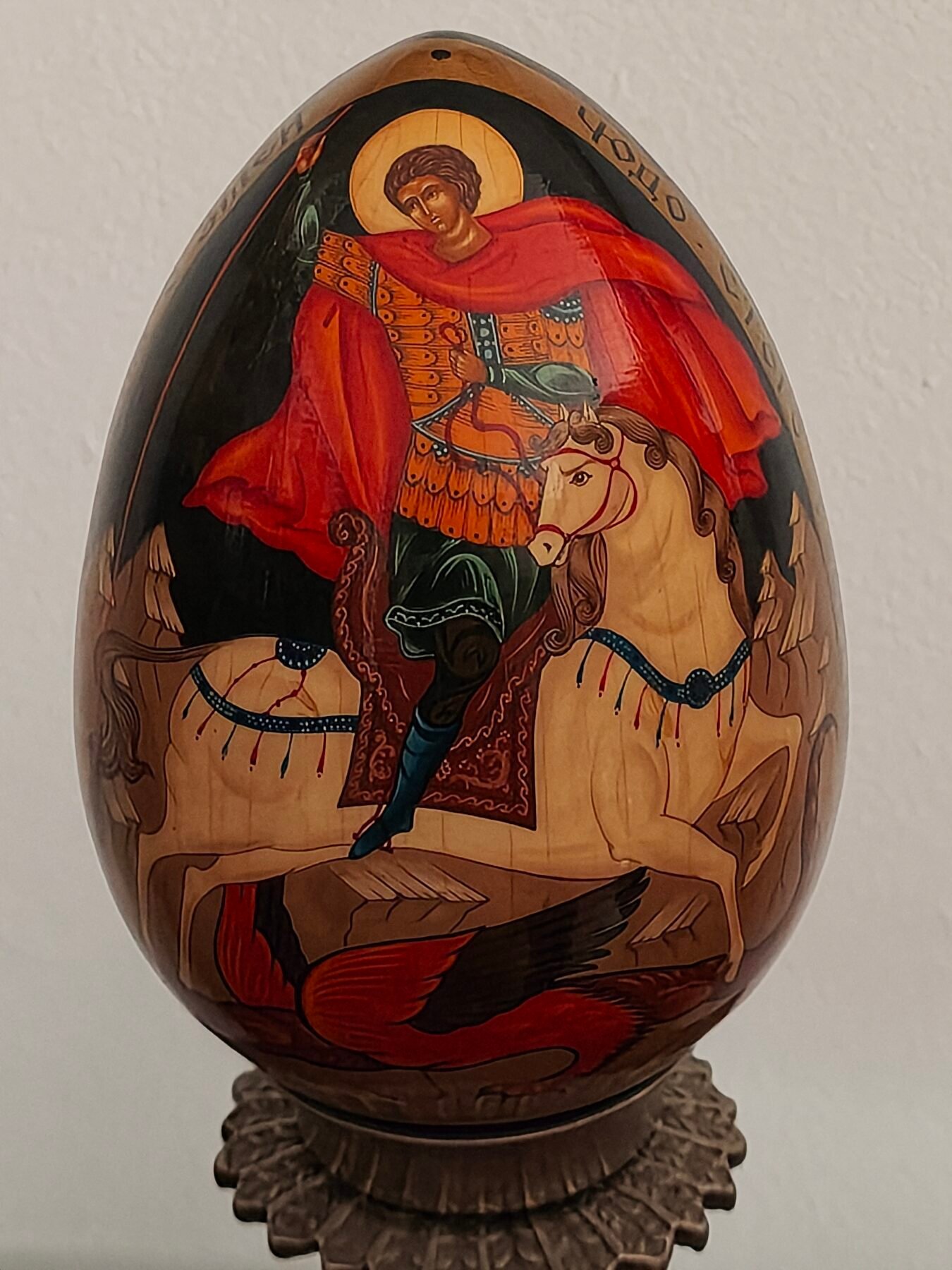
PALEJ, Escuela deReligious art
Russian Lacquered Wooden Easter Egg Depicting Saint George and the Dragon Monogrammed
250 €Open profile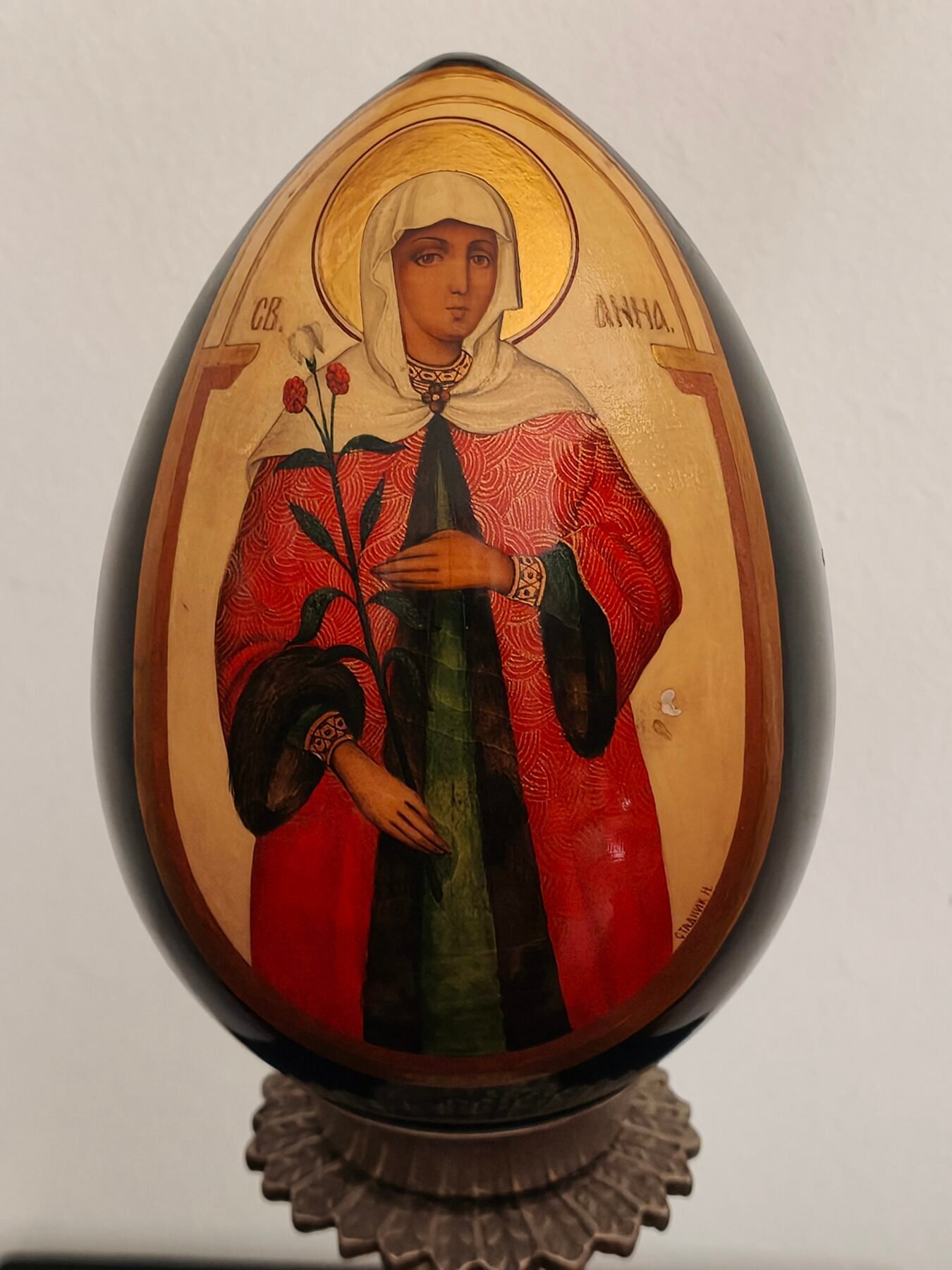
PALEJ, Escuela deReligious art